
How Do You Teach Kids the Joy of Growing Plants?
B-011
(And Why a Tiny Garden Might Grow Something Bigger Than Tomatoes)
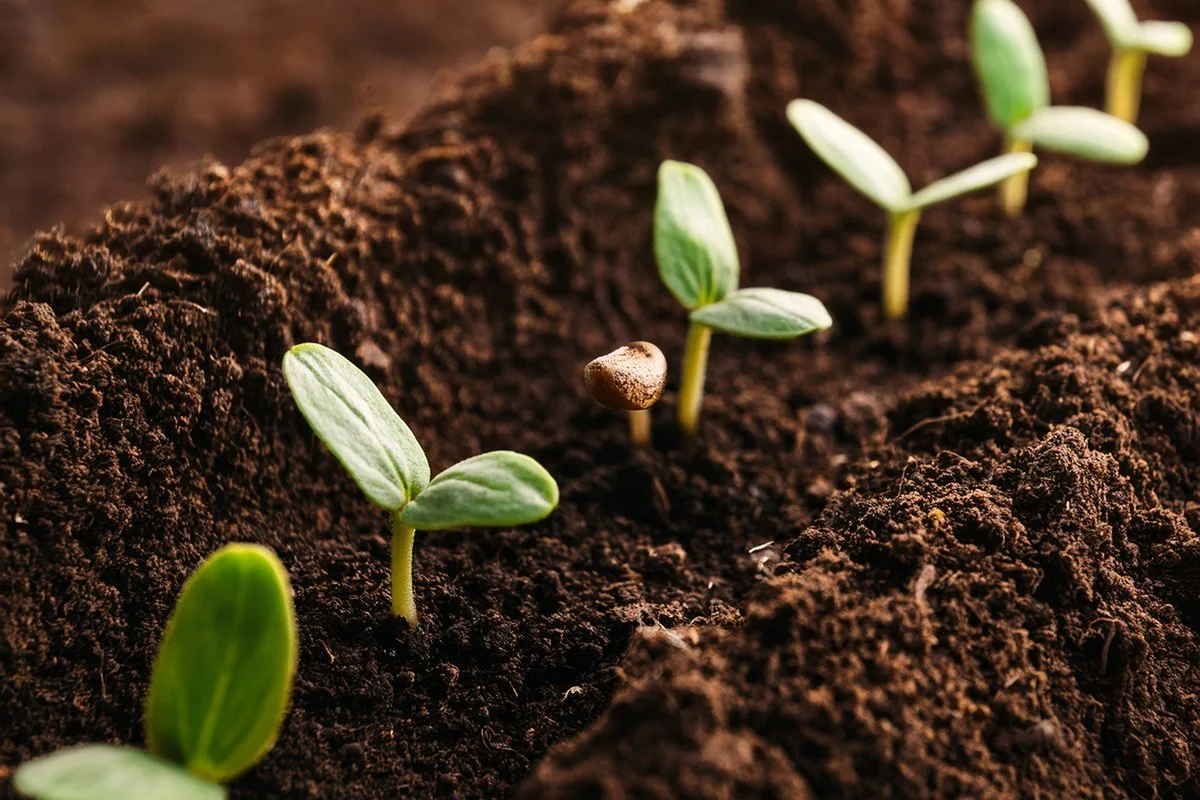
It’s pretty amazing when you think about it...seeds don’t look like much. No sparkle. No batteries. No flashy packaging.
And yet… give it a few weeks, a little sunshine, a splash of water, and suddenly that tiny seed becomes something magical.
A sprout. A flower. A tomato they proudly announce they grew “all by myself!”
Teaching kids to grow plants isn’t just about gardening. It’s about wonder, patience, responsibility, and connection. The kind of quiet life lessons that stick with them long after the garden season ends. And the best part? You don’t need a big backyard or a fancy setup. Just a little curiosity. A few seeds. And maybe a willingness to get a little dirt under your fingernails.
Why Gardening Is So Powerful for Kids
Let’s be honest: kids today have a lot competing for their attention. Screens, schedules, activities… the list goes on. But something interesting happens when children spend time growing plants.
Research has found that gardening can help children develop life skills, improve their relationship with nature, and even boost their emotional wellbeing. It’s something they can enjoy while feeling pride and happiness from the experience.
Another reason gardening matters? Kids who grow fruits and vegetables are more likely to try and enjoy healthy foods because they feel connected to what they helped grow.
In other words…
A tomato they grew themselves suddenly becomes the most exciting snack in the house. Funny how that works.
But beyond the science, there’s something even more meaningful happening. Gardening slows the world down. And kids need that.
5 Simple Ways to Introduce Kids to Gardening
You don’t need to start a full vegetable garden right away. In fact, simple is usually better. Here are a few easy ways to get started.
1. Start With Fast Growers
Kids love quick wins. Try plants that sprout quickly like:
Sunflowers
Radishes
Green beans
Cherry tomatoes
When children see results faster, their excitement grows right along with the plants.
2. Give Them Their Own “Garden Job”
Kids love responsibility—especially when it feels important.
Try assigning small roles like:
The official waterer
The plant inspector
The sunshine checker (yes, this can be a real job for them)
It teaches responsibility without feeling like a chore.
3. Let Them Get Messy
Here’s the secret adults sometimes forget: Kids don’t mind dirt.
Actually… they love it.
Digging, planting, watering, squishing soil between their fingers—it’s a full sensory experience that helps children connect with nature and build coordination. So skip the stress about muddy shoes.
Memories are usually made in messy moments.
4. Plant Something They Can Eat
This one is a game-changer. When kids grow food themselves, they’re far more curious about tasting it.
Try:
Strawberries
Snap peas
Cherry tomatoes
Herbs like mint or basil
Watching something grow from seed to snack is incredibly satisfying.
And yes—there will probably be proud announcements at the dinner table.
5. Celebrate the Little Wins
Did a sprout appear? Celebrate. First flower bloom? Celebrate.
One slightly crooked carrot? Definitely celebrate.
Gardening teaches patience—but it also gives kids countless small victories along the way. And those little victories build confidence.
The Deeper Lesson Hidden in the Garden
Here’s something I’ve noticed about kids and gardening.
They don’t rush it.
They check on the plants.
They talk to them.
They observe every little change.
And in the process, they’re learning something powerful: Good things take time.
Plants don’t grow overnight. You can’t rush a seed. You can only care for it… and trust the process.
Honestly? That might be one of the most valuable lessons we can give our children.
Growing More Than Just Plants
The funny thing about gardening with kids is that the plants aren’t the only things growing.
Patience grows. Confidence grows. Curiosity grows.
And sometimes, in the middle of watering tomatoes or picking basil leaves, something else grows too: Connection.
Those quiet moments together outside—no screens, no rushing—often turn into the conversations we didn’t realize we needed.
So if you’ve been thinking about starting a little garden with your kids…Take this as your gentle nudge.
Plant the seeds. Water them together. Watch what happens.
You might grow tomatoes. You might grow sunflowers. But chances are, you’ll grow memories that last far longer than the harvest.
With warmth and inspiration,
Cottage Craft Studio
Ready to bring more inspiration into your routine? Subscribe to our Newsletter.